GREENPEACE / MICROPLASTIC CAMPAIGN
project overview
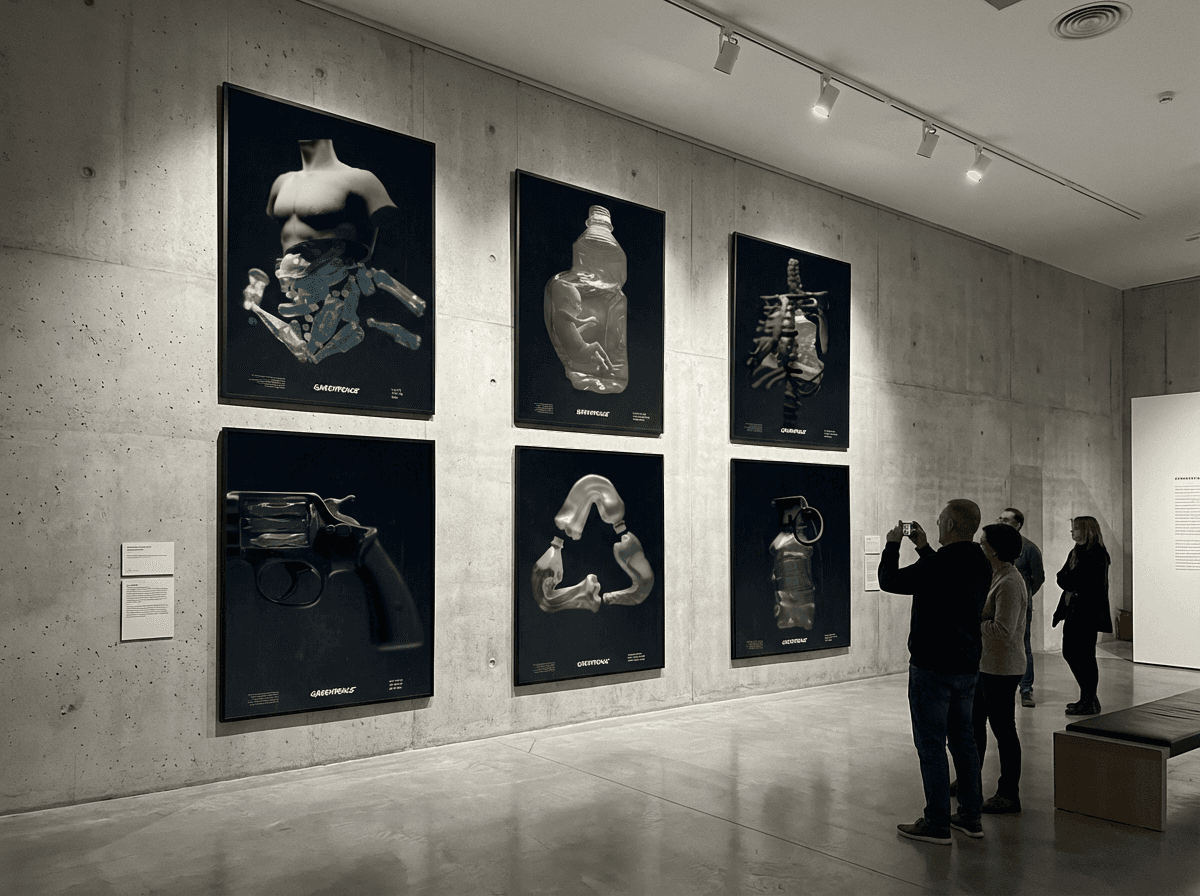
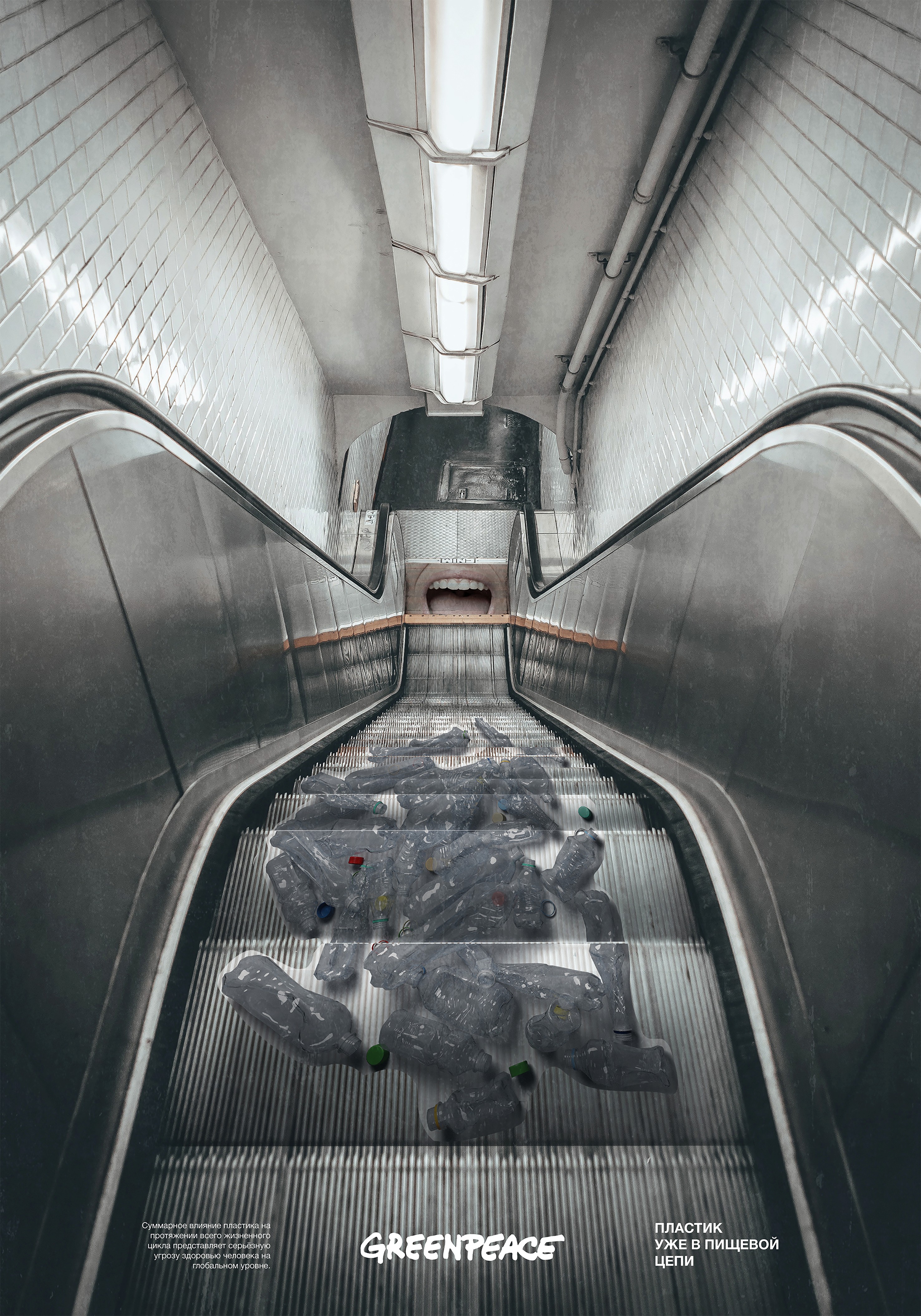
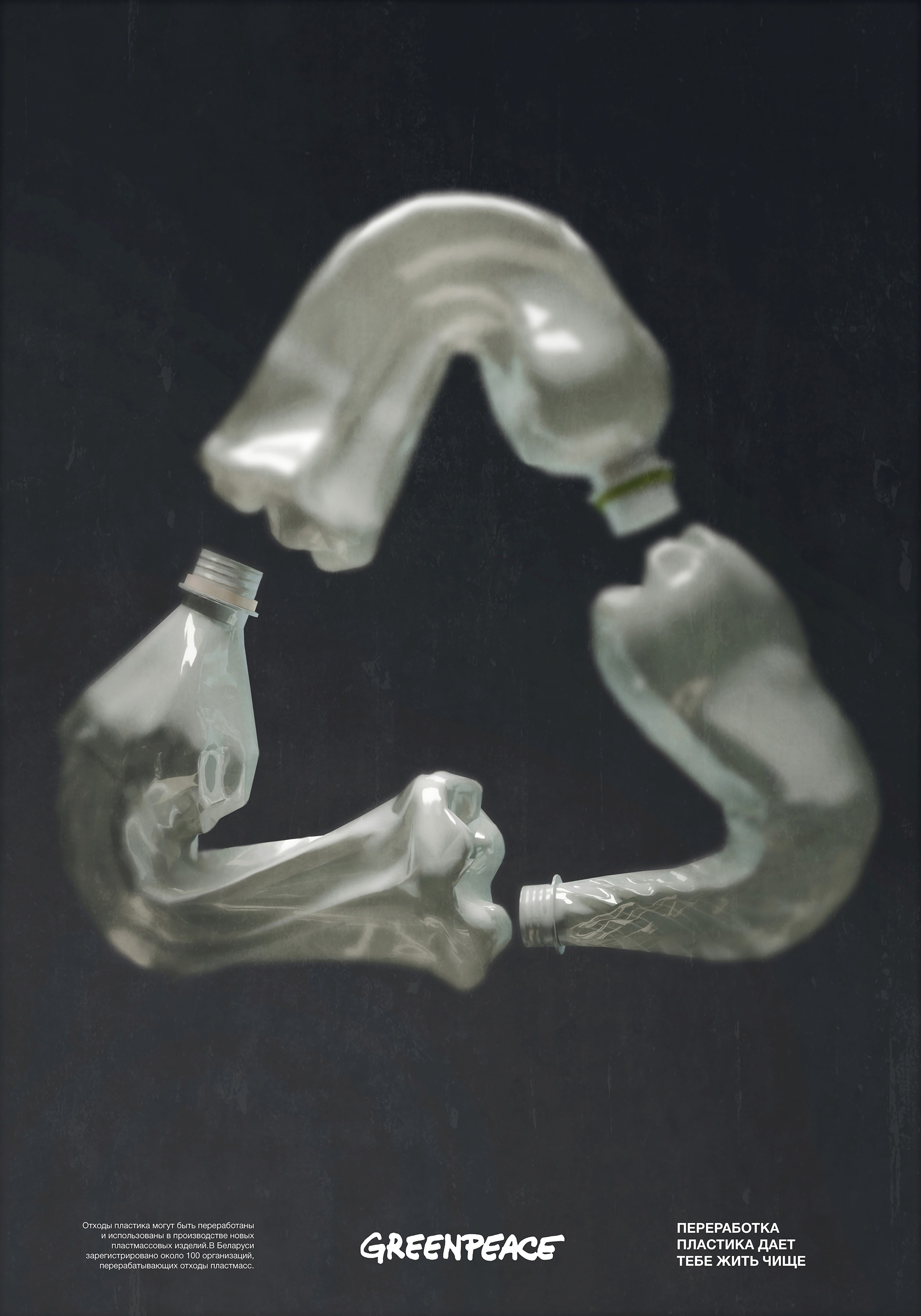
“Microplastic” is a conceptual social campaign created as my diploma project — a personal response to the moment I first learned that microplastics aren’t just in the ocean, but in human blood, lungs, digestive systems and even placentas. What struck me most was the emotional disconnect: the issue is catastrophic, yet the imagery around it is almost non-existent. I wanted to fill that silence with a visual language that makes the problem impossible to ignore. The series treats microplastic not as “pollution,” but as an intimate biological threat, something we unknowingly absorb and carry. The posters reimagine plastic objects as organs, weapons, bones and shelters — turning the invisible into something physical, uncomfortable and real.
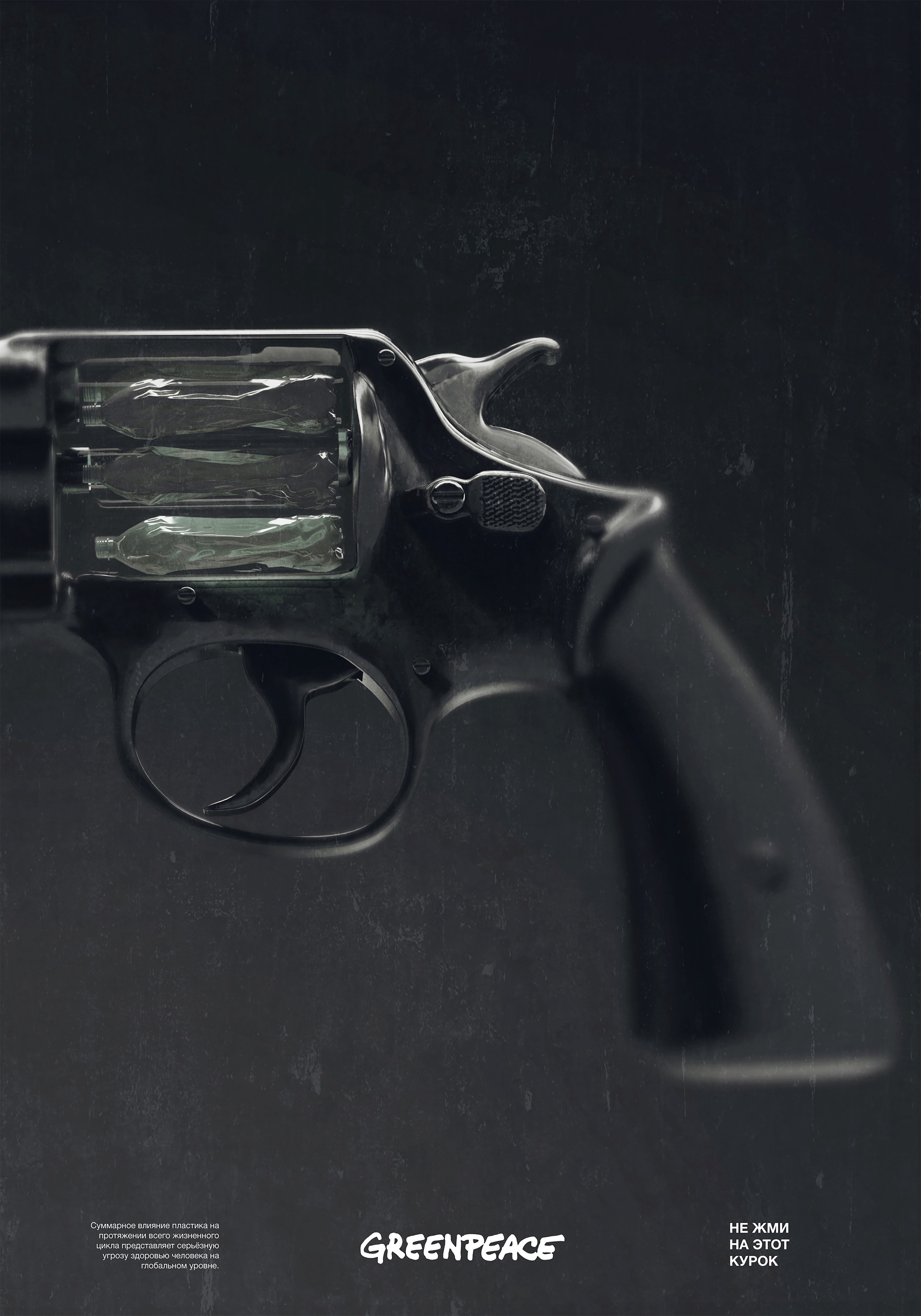
Concept & Execution
The concept is based on a simple, terrifying thought: microplastic is already inside us, and we barely talk about it. To translate this into visuals, I approached plastic as a form of contamination that merges with the human body until the boundary between organic and synthetic disappears.
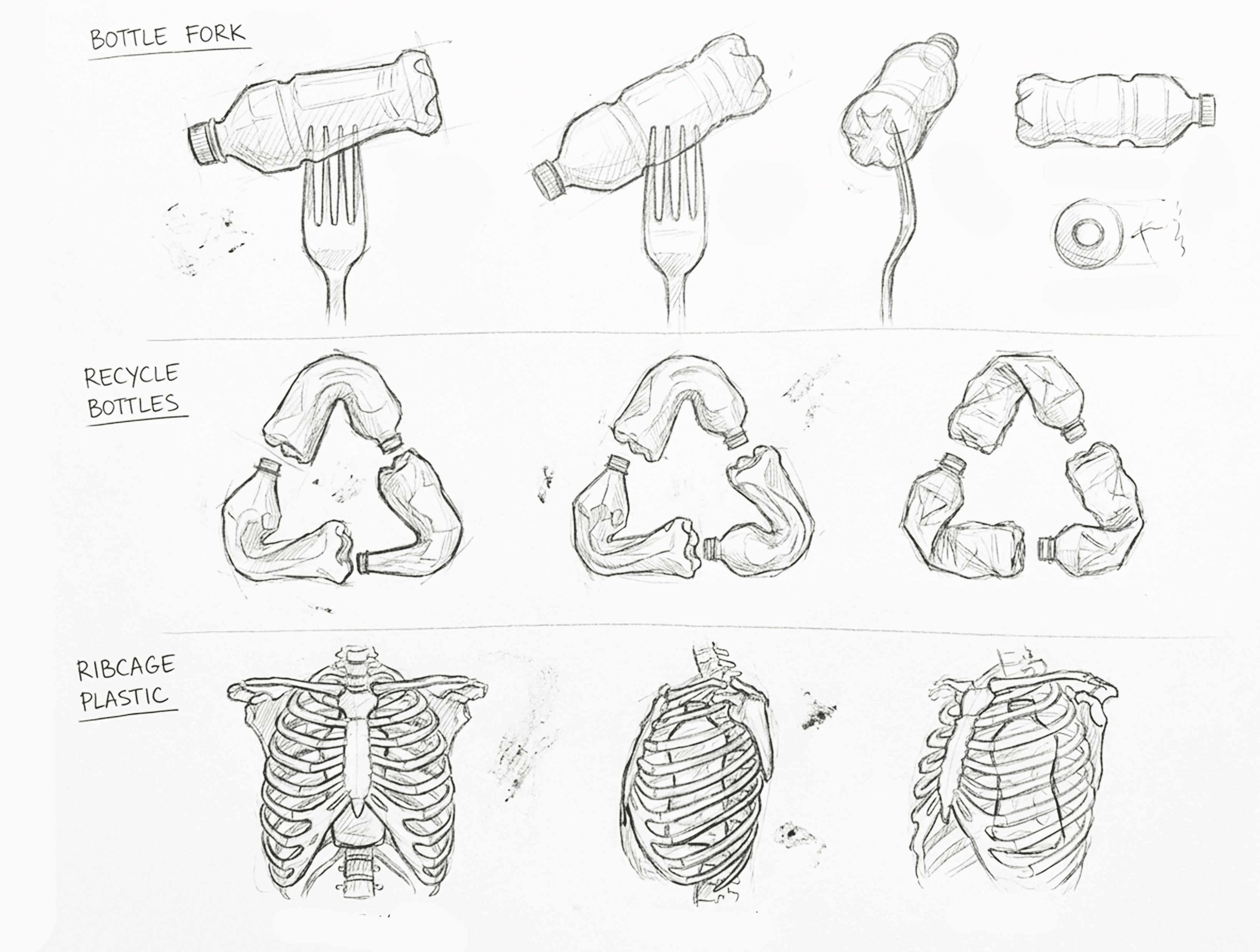
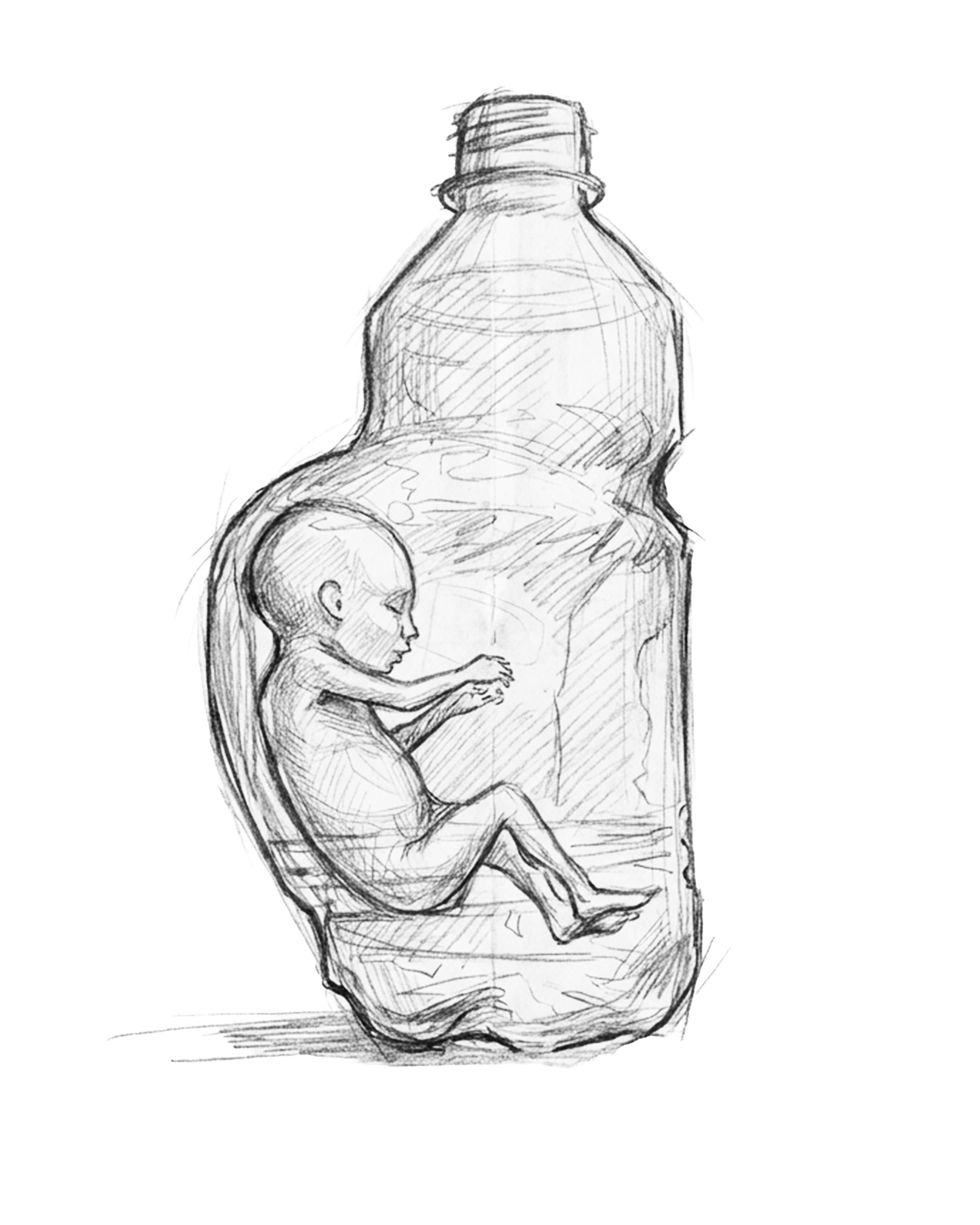
Each poster isolates one metaphor — a plastic bottle as a grenade, a womb, a ribcage, a lung chamber — all photographed or sculpted in a stark, clinical way. The tone is intentionally cold; the viewer experiences a quiet horror rather than shock. This aesthetic choice mirrors the real nature of microplastic: it doesn’t announce itself, it infiltrates.
The campaign speaks in short, sharp lines and heavy images. Even without text, the message remains clear: this material is not “waste,” it is a permanent resident inside our biology.
Conclusion
This project reframes microplastic as a personal, human issue rather than an abstract environmental one. By turning plastic into organs and weapons, the series shifts the viewer’s focus from oceans to bodies — from something distant to something intimate.
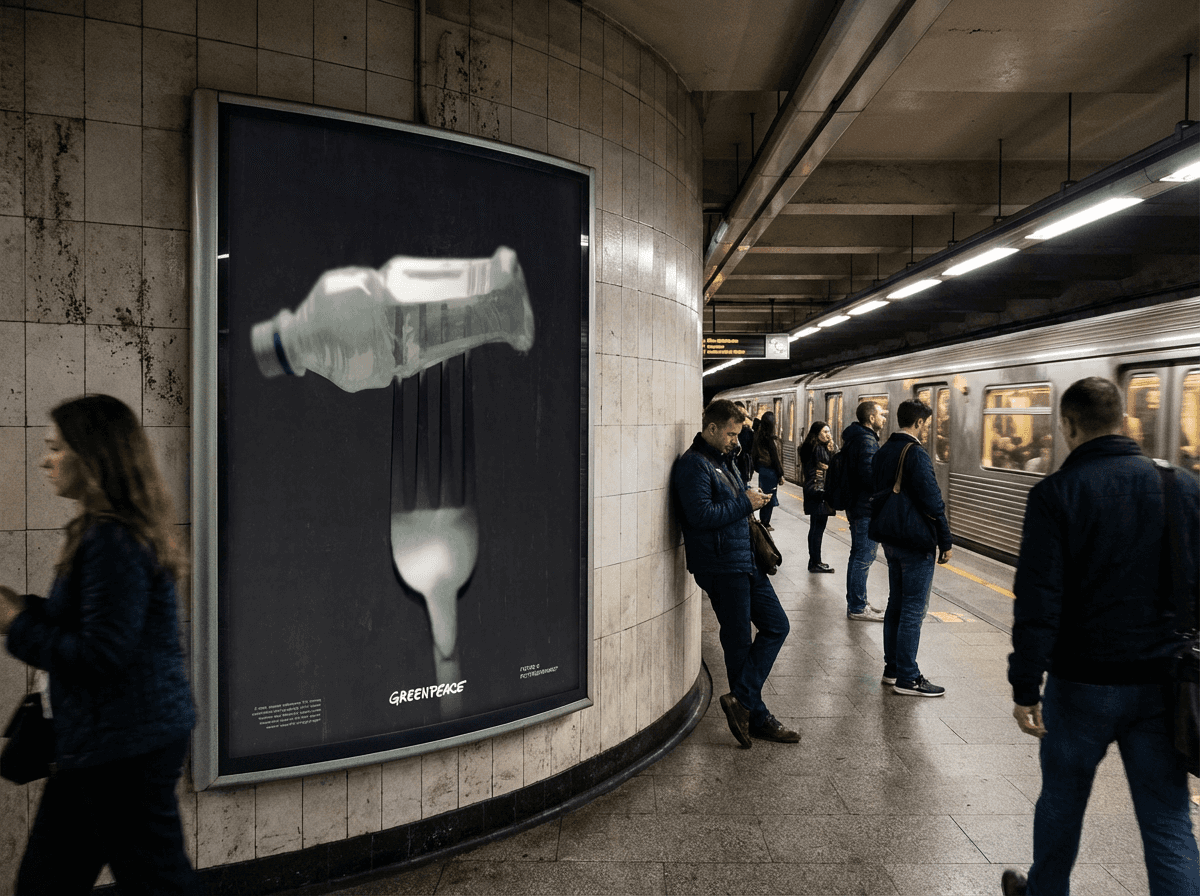
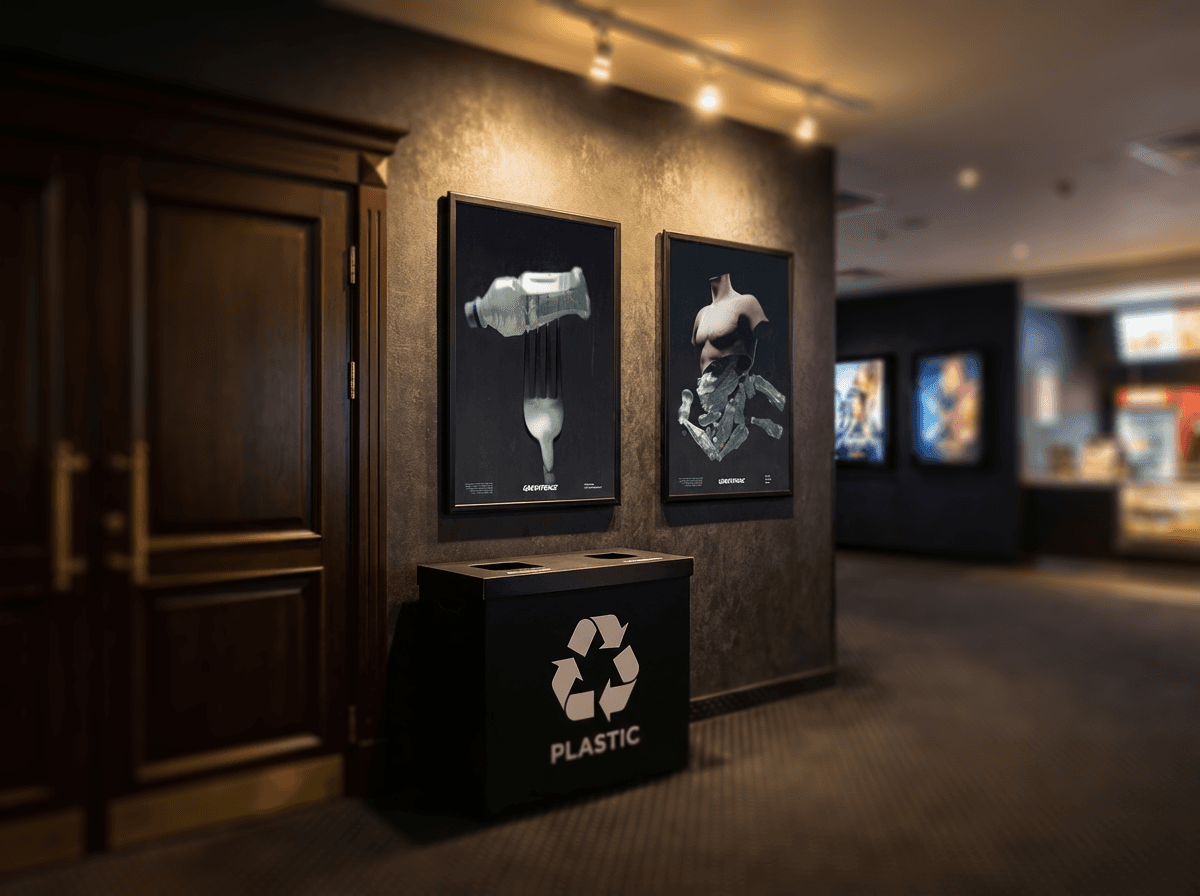
For me, this diploma was also an act of personal expression: visual language is how I process fear, anger and urgency. With “Microplastic,” I wanted to speak directly, without softening the reality. The result is a campaign that feels forensic, emotional and confrontational — a reminder that the most dangerous threats are often the ones we choose not to see.
VIEW NEXT PROJECT
LE JARDIN RETROUVÉ — THE PERFUME FOREST INSTALLATION, SHANGHAI
An immersive exhibition that unfolded like a scent-game: my hand-drawn characters reached out to visitors, guiding them through each perfume — every fragrance ready to be explored through glass diffusers resting on acrylic pedestals, merging art, interaction and commerce into one world.